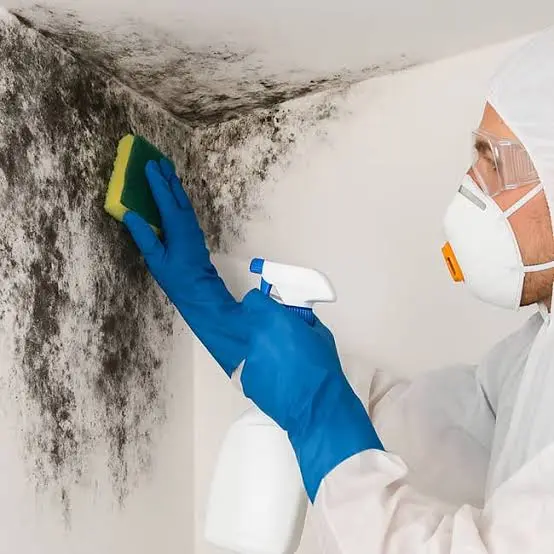

Mold is something most people have heard about, but many do not realize just how much it can affect their health. If you live in Garland TX and your home has had any water damage, a leak, or flooding in the past, there is a real chance mold could be growing somewhere inside even in places you cannot see.
Garland TX has a warm and humid climate for much of the year. That kind of environment is exactly what mold loves. It grows fast, it spreads easily, and it does not always show up in obvious places.
This article explains what mold is, how it affects your health, who is most at risk, and what Garland homeowners can do about it all in simple, easy-to-understand language.
What Is Mold and How Does It Get Into Your Home?
Mold is a type of fungus. It grows in damp, dark, and warm places. It reproduces by releasing tiny particles called spores into the air. These spores are invisible to the naked eye, and you breathe them in without even knowing it.
Mold gets into your home through:
Once mold finds a damp spot in your home, it can start growing within just 24 to 48 hours. And in Garland TX, where summer temperatures stay high and humidity is common, mold can spread surprisingly fast.
Common Health Effects of Mold Exposure
Different people react to mold in different ways. Some people feel the effects right away. Others may not notice anything for weeks or months. It all depends on the type of mold, how much is present, and how sensitive the person is.
Here are the most common health problems linked to mold exposure:
1. Breathing Problems
This is the most common health effect of mold exposure. When you breathe in mold spores, they can irritate your airways and lungs.
For people who already have asthma or other lung conditions, mold exposure can trigger serious attacks and make existing symptoms much worse.
2. Allergic Reactions
Mold is a very common allergen. Many people in Garland TX are allergic to mold without even knowing it. Mold allergy symptoms are similar to hay fever or seasonal allergies, which makes them easy to confuse.
A good clue that mold is the cause is if your symptoms get better when you leave the house and come back when you return home. That is a strong sign that something inside the home is triggering your allergies.
3. Headaches and Tiredness
A lot of people who are exposed to mold inside their home start feeling constantly tired and run down. They also report getting headaches more often than usual and these headaches do not always respond well to regular pain medication.
This happens because breathing in mold spores and the toxic substances some molds produce puts extra strain on your immune system. Your body is constantly working to fight off the exposure, which leaves you feeling drained.
If you are waking up tired every morning even after a full night of sleep, or if you are getting headaches that seem to happen mostly at home, mold could be a contributing factor.
4. Irritation of the Eyes, Nose, and Throat
Even people who are not allergic to mold can experience irritation from mold spores in the air. This is because mold releases chemical compounds that act as irritants to the lining of your eyes, nose, and throat.
5. Worsening of Asthma
If you or someone in your household has asthma, mold is a serious concern. Mold spores are one of the most well-known triggers of asthma attacks. Even low levels of mold in the air can set off wheezing, coughing, and difficulty breathing in asthma sufferers.
If an asthma sufferer in your home seems to be having more frequent or more severe attacks than usual and no other trigger has changed, it is worth having the home checked for mold.
6. More Serious Health Effects From Toxic Mold
Most molds cause the symptoms described above. But certain types of mold most notably black mold, also known as Stachybotrys chartarum can produce toxic substances called mycotoxins. Long-term exposure to these toxins can cause more serious health problems.
It is important to note that toxic mold illness from black mold is not common, but it does happen — especially with long-term exposure in enclosed spaces. If you suspect black mold in your home, professional testing and removal is strongly recommended.
Who Is Most at Risk From Mold Exposure in Garland TX?
Mold can affect anyone, but some groups of people are much more sensitive to it than others. If any of the following people live in your Garland TX home, mold exposure is an even more serious concern:
Why Mold Is a Bigger Problem in Garland TX Than Many Other Places?
Garland TX sits in the Dallas-Fort Worth area, where the climate brings hot, humid summers and unpredictable weather patterns. Heavy rain, flash flooding, and severe storms are not uncommon here.
All of these weather conditions create perfect opportunities for moisture to get inside homes and moisture is the number one thing mold needs to grow. Homes in Garland that have experienced any past water damage, even minor leaks, are at higher risk of having a mold problem.
On top of that, many Garland homes run their air conditioning systems for long stretches of the year. If the AC system has any moisture issues or mold inside the ductwork, it can spread mold spores throughout every room in the house every time it runs.
Signs That Mold May Be Affecting Your Health at Home
Sometimes it is hard to know whether your symptoms are caused by mold or something else entirely. Here are some signs that mold in your home could be the reason you are not feeling well:
What Should You Do If You Think Mold Is Making You Sick?
If you suspect that mold in your Garland TX home is affecting your health, here are the steps to take:
See a Doctor First
If you or anyone in your household is experiencing health symptoms that could be related to mold, see a doctor. Tell them about any water damage or musty smells in your home. A doctor can test for mold allergies and advise on treatment.
Look for Visible Mold in Your Home
Check the most common places where mold likes to hide in Garland TX homes:
Call a Professional Mold and Water Damage Restoration Company
If you find mold or if you strongly suspect it is there even if you cannot see it do not try to clean it up yourself with bleach and a cloth. That approach only removes surface mold and does nothing about the spores in the air or the mold growing deep inside your walls.
Water Damage in Garland TX handles mold situations as part of their water damage restoration services. The team can inspect your home, identify where the mold is coming from, remove it properly, treat the affected areas with antimicrobial solutions, and address the underlying moisture problem so the mold does not come back.
Frequently Asked Questions
How quickly can mold make you sick?
It depends on the person and the type of mold. Some people notice symptoms within a few days of exposure. Others may take weeks or months before symptoms become noticeable. People with allergies, asthma, or weak immune systems tend to react much faster.
Can you get sick from mold even if you cannot see it?
Yes. Mold hidden inside walls, under floors, or in your HVAC system can release spores into the air without any visible signs. If you smell a musty odour in your home, that is often a sign of hidden mold, even if you cannot find it with your eyes.
Will my symptoms go away after the mold is removed?
For most people, yes. Once the mold is properly removed from the home and the air quality improves, symptoms tend to clear up on their own over time. However, if there has been long-term exposure, it is a good idea to continue following up with a doctor.
Is black mold dangerous?
Black mold — the kind known as Stachybotrys chartarum — can produce harmful toxins. While serious illness from black mold is not common, prolonged exposure can cause significant health problems. If black mold is found in a home, professional removal is always the safest option.
How do I know if it is mold or just dust causing my allergies?
A good indicator is whether your symptoms improve when you leave the house. Dust allergies tend to be consistent in different environments. Mold allergies often get noticeably better when you spend time away from home. A doctor can also do a specific allergy test to confirm whether mold is the trigger.
Final Thoughts
Mold is not just an ugly stain on your wall. It is a real health risk especially in a warm and humid area like Garland TX. The good news is that mold is manageable when it is caught and dealt with properly.
If you or your family are experiencing unexplained health symptoms and your home has had any moisture issues in the past, it is worth having your home inspected. The sooner mold is found and removed, the sooner everyone in the household can start feeling better.
For mold inspection and remediation services in Garland TX, homeowners can contact Water Damage in Garland TX. The team handles everything from finding the source of moisture to full mold removal and prevention.
Contact Information
Business Name: Water Damage in Garland TX
Phone: (972)9612528
Address: 2501 W Kingsley Rd, Suite 120, Garland, TX 75041
Available 24/7 for mold inspection, water damage restoration, and emergency services across Garland TX.