
Professional Mold Remediation Near 75041
Mold Remediation and Removal in Garland TX
You may first notice mold as a dark spot on drywall, discoloration around a ceiling, growth inside a cabinet, or a musty smell that keeps returning.
The visible mold is only part of the problem.
Mold needs moisture. If a leaking pipe, roof problem, appliance leak, flood, condensation, or other moisture source is still present, simply wiping or painting over the visible area will not solve the cause.
Water Damage Garland Tx provides professional mold remediation for homes and businesses dealing with mold after water damage and ongoing moisture problems.
The goal is to find the moisture problem, understand the affected area, control the work area, address contaminated materials, clean the remaining surfaces, and make sure moisture is brought under control.
Concerned about mold in your Garland property? Call (972) 961-2528.
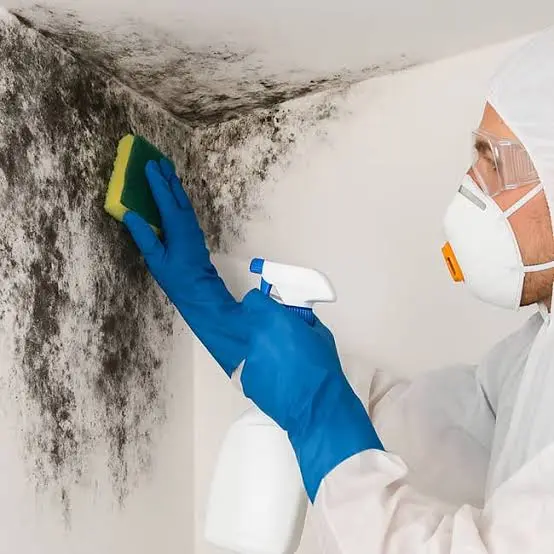
Seeing Mold or Smelling Something Musty?
A mold problem does not always begin with a major flood.
Sometimes it starts with something much smaller:
EPA guidance is clear that moisture control is the key to mold control. If mold is present, the mold needs to be addressed and the water or moisture problem needs to be corrected.
That is why our first question is not simply:
“Where can you see mold?”
It is:
“Why is this area staying wet?”
Why Mold Develops After Water Damage?
Mold spores naturally exist indoors and outdoors.
The problem begins when those spores land on materials that stay damp.
EPA guidance states that indoor mold growth is controlled primarily by controlling moisture. It recommends drying damp or wet building materials within roughly 24 to 48 hours when possible.
This is why mold problems often follow:
Not every water loss develops mold.
But the longer moisture remains, the more important proper drying becomes.
Why Mold Is Relevant in Garland Homes?
Garland has a large amount of established housing.
A recent City of Garland housing document reports that 81% of Garland homes were built before 1990.
An older home does not automatically have mold.
But established homes can have more years of plumbing, roofing, HVAC, window, and maintenance history. A small leak that remains hidden behind a cabinet or wall can create a moisture problem before the homeowner realizes anything is wrong.
Garland also has real storm and flood exposure. The City maps approximately 4,200 acres of 100 year floodplain, mainly along Duck Creek, Rowlett Creek, Spring Creek, and their tributaries.
For mold remediation, however, the important issue is not simply Garland’s weather or housing age.
It is whether moisture remained inside the property long enough to create a problem.
Common Signs You May Have a Mold Problem
Visible Growth
Mold can appear in different colors and patterns. You might notice:
- dark spots
- green or gray growth
- white growth
- patchy discoloration
- fuzzy looking areas
Color alone does not tell you exactly what type of mold is present.
Musty Odor
Sometimes you smell the problem before you can see it. EPA notes that a moldy or musty odor can suggest mold growth and should be investigated. A musty smell may be especially noticeable:
- inside closets
- under sinks
- around cabinets
- near wet carpet
- inside bathrooms
- near an HVAC area
- after opening a room that stays closed
Mold After a Water Leak
If a wall, ceiling, floor, or cabinet remained wet after a leak, mold may develop in or around the affected materials.
Repeated Mold in the Same Area
If you clean a spot and it keeps coming back, the problem may be moisture rather than cleaning.
The source needs to be identified.
Water Stains or Damaged Materials
Mold and water damage often occur together. Look for:
- brown ceiling stains
- soft drywall
- swollen baseboards
- peeling paint
- warped flooring
- damp cabinet bases
These signs do not prove mold is present, but they can point toward a moisture problem that deserves investigation.
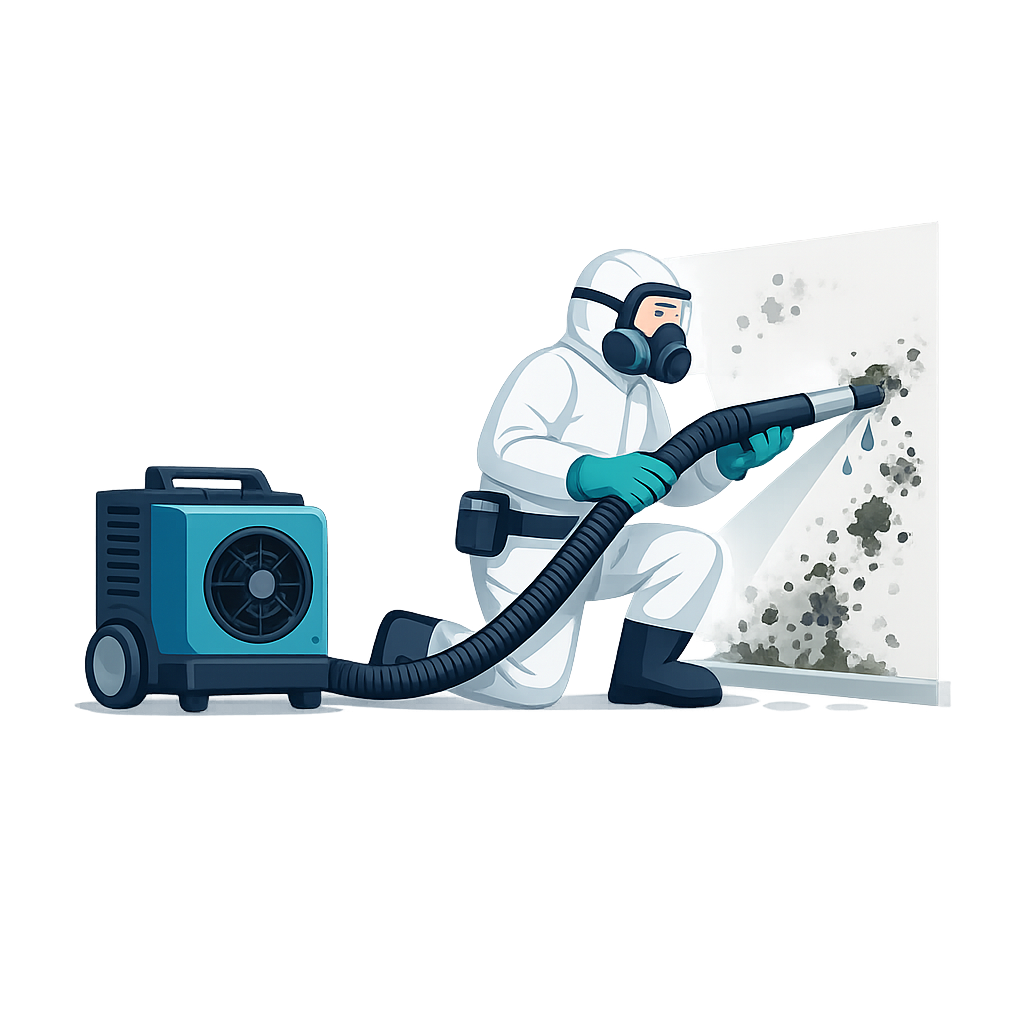
Our Mold Remediation Process
1. Understand the Moisture Problem
The first step is identifying what allowed mold to develop. Possible causes include:
plumbing leaks, roof leaks, earlier flooding, wet building materials, condensation, HVAC moisture, appliance leaks, poor drying after water damage.
Removing mold without correcting the moisture source increases the chance that the problem will return. EPA specifically recommends fixing the water problem as part of mold control.
2. Determine the Affected Area
Visible growth does not always show the entire area that has been affected.
The surrounding materials and moisture conditions need to be considered.
This may involve looking at:
drywall, baseboards, flooring, ceilings, cabinets, insulation, wall cavities, nearby rooms. The appropriate process depends on the size and condition of the affected area.
3. Follow Texas Mold Requirements
Mold work in Texas is regulated by the Texas Department of Licensing and Regulation.
TDLR licenses companies and professionals who perform regulated mold assessment and mold remediation.
The exact legal requirements should be determined for the individual property before regulated remediation work begins.
4. Contain the Work Area When Needed
Disturbing mold contaminated materials can release particles into the surrounding area.
Containment can help separate the work area from unaffected parts of the property during remediation.
Depending on the project, this may include physical barriers and controlled airflow.
Containment needs should be based on the actual remediation scope.
5. Remove Mold Affected Materials
Different materials respond differently to mold.
Hard surfaces may sometimes be cleaned.
Porous materials can be more difficult to restore once mold has grown into them. We do not recommend assuming every material can be saved or that every material automatically needs demolition.
The condition and required remediation plan should guide the decision.
6. Clean Remaining Surfaces
Materials that remain may need appropriate cleaning after contaminated materials are addressed. EPA recommends cleaning mold from hard surfaces with water and detergent and drying them completely. The objective is not simply to change the color of the surface. Visible growth needs to be addressed while the moisture source is also corrected.
7. Use HEPA Filtration Where Appropriate
HEPA filtration equipment can help manage airborne particles during appropriate mold remediation work. Current Garland mold competitors commonly use containment, HEPA vacuums, and air scrubbers as part of professional remediation. The equipment used should match the size and conditions of the project.
8. Dry the Affected Area
Remediation and moisture control go together.
If materials around the affected area are still wet, drying may involve:
air movement, dehumidification, moisture monitoring, structural drying.
The goal is to remove the conditions that helped the mold grow.
9. Complete the Required Verification
Completion should not simply mean:
“We cannot see mold anymore.”
EPA says a mold cleanup should not be considered finished until the moisture problem has been corrected and visible mold and moldy odors are no longer present.
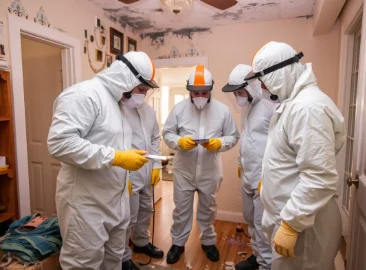
Should You Clean Mold Yourself?
A small surface spot is different from mold covering drywall after a major water loss.
For a small area on a hard, washable surface, some homeowners may be able to clean it safely while correcting the moisture source.
Larger areas, recurring mold, contaminated porous materials, hidden mold, or mold following major water damage may require professional attention.
Texas regulations also determine when licensing requirements apply.
TDLR says that in most situations areas under 25 contiguous square feet may qualify for exemptions, although additional rules and property specific exemptions exist.
If you are unsure about the size or scope, ask before disturbing a larger area.
Mold Remediation Equipment We Use
The equipment used depends on the scope of the project.
Professional mold work may involve:
HEPA Air Scrubbers
Used to filter airborne particles during appropriate remediation work.
HEPA Vacuums
Used for detailed particle removal during cleanup.
Moisture Meters
Help identify wet building materials and monitor moisture conditions.
Dehumidifiers
Help reduce excess moisture during drying.
Air Movers
May support drying after contaminated material has been properly handled.
Containment Materials
Used when the work area needs to be separated from unaffected areas.
Texas Mold Rules Property Owners Should Know
Texas is different from many states because mold assessment and remediation are specifically regulated.
The Texas Department of Licensing and Regulation licenses mold assessors, remediation contractors, companies, workers, and related professionals.
TDLR also requires notification for regulated remediation projects involving 25 contiguous square feet or more of mold contamination, subject to applicable exemptions.
TDLR’s current consumer information also recommends confirming that professionals performing regulated mold assessment or remediation are properly licensed.
This is important for homeowners because mold work should not be treated like an ordinary cleaning service when Texas regulatory requirements apply.
Why Choose Water Damage Garland Tx?
Local Garland Focus
Water Damage Garland Tx is located at:
2501 W Kingsley Rd, Suite 120
Garland, TX 75041
We Start With Moisture
Mold usually develops because something stayed damp. The moisture source must be part of the solution.
We Do Not Use Fear Based Mold Claims
A dark stain does not automatically mean “toxic black mold.” We focus on the actual condition of the property and the appropriate remediation process.
Mold and Water Damage Experience Work Together
Because mold often follows leaks, flooding, ceiling water damage, and poor drying, understanding the original water problem is important.
We Explain the Process Simply
You should understand what the problem is, what needs to be addressed, and what happens next.
Mold Remediation Across Garland
Water Damage Garland Tx serves properties throughout Garland, including ZIP Codes 75040, 75041, 75042, 75043, and 75044.
Our Garland service area includes communities such as Firewheel, Centerville, Oakridge, Club Hill, Club Creek, Embree, Rose Hill, and North Garland.
Depending on location and availability, we may also serve nearby communities including Rowlett, Sachse, Richardson, Mesquite, Plano, Wylie, and Rockwall.
Frequently Asked Questions
Contact Us
Concerned About Mold in Your Garland Property?
Do not simply cover the visible area and hope the problem disappears.
The moisture source needs to be understood, the affected materials need to be evaluated, and the correct remediation process needs to be followed.
Call Water Damage Garland Tx to discuss the mold and water damage conditions at your property.
Call (972) 961-2528 for mold remediation and mold removal services in Garland TX.