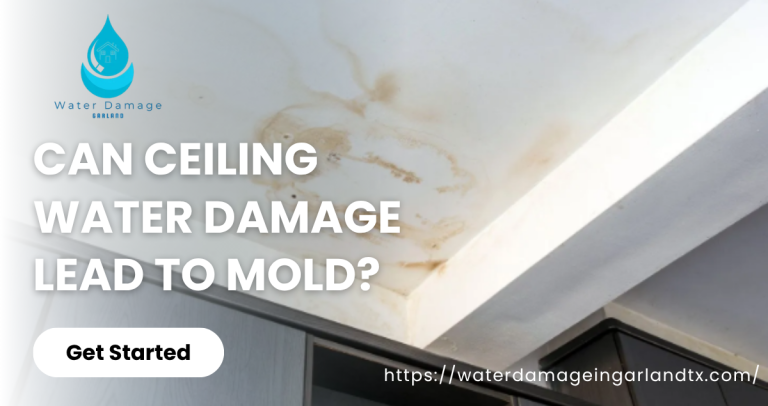

Ceiling water damage can start with a small stain or a few drops of water, but the problem can become much more serious if it is ignored. A wet ceiling may be a sign of a plumbing leak, roof problem, air conditioning issue, or water damage from another part of the home.
For homeowners in Garland, TX, finding the source of the water quickly is important. Water can spread behind ceilings and walls, damage insulation and drywall, and create conditions where mold may grow.
In this guide, we will explain the most common causes of ceiling water damage, the warning signs to look for, and what you should do when you discover a wet or damaged ceiling.
Common Causes of Ceiling Water Damage
There are several reasons why water can appear on your ceiling. Some problems are caused by plumbing, while others start from the roof or HVAC system.
1. Leaking Pipes
A leaking water pipe above the ceiling is one of the most common causes of ceiling water damage.
Pipes may leak because of:
- Loose plumbing connections
- Cracked pipes
- Corrosion
- High water pressure
- Damaged pipe fittings
- Old plumbing systems
A small pipe leak can slowly release water into the ceiling. Over time, the drywall may become weak, stained, or swollen.
If the leak is located above a bathroom, kitchen, or laundry room, plumbing should be one of the first things checked.
2. Roof Leaks
Roof damage can allow rainwater to enter your home and travel through the attic before reaching the ceiling.
Common roof problems include:
- Missing or damaged shingles
- Cracked flashing
- Damaged roof valleys
- Failed roof seals
- Storm damage
- Poor roof drainage
You may notice a brown or yellow stain on the ceiling after heavy rain. In some cases, water may continue dripping even after the rain has stopped because moisture has collected inside the roof or attic.
If ceiling damage appears near an exterior wall or in the upper part of your home, a roof inspection may be necessary.
3. Air Conditioner Leaks
Your air conditioning system can also cause ceiling water damage.
This is especially possible when an HVAC unit or drain line is located in an attic or above the ceiling.
Water may leak because of:
- A clogged condensate drain
- A damaged drain pan
- Frozen AC coils
- A disconnected drain line
- Improper drainage
A clogged condensate drain can cause water to overflow and move into the ceiling below.
Because air conditioning systems are commonly used during hot Texas weather, HVAC-related water leaks should not be overlooked.
4. Overflowing Bathtubs and Showers
Water from a bathroom above the ceiling can cause serious damage if it escapes through the floor.
This can happen because of:
- An overflowing bathtub
- A leaking shower
- Damaged caulking
- Failed grout
- Leaking shower pipes
- A damaged toilet seal
If you notice water stains directly below a bathroom, the source may be related to the plumbing or waterproofing in that room.
5. Toilet Leaks
A leaking toilet can allow water to seep into the floor and eventually reach the ceiling below.
A damaged wax ring, loose connection, cracked toilet, or leaking supply line can all cause water problems.
Sometimes the leak is obvious, but in other cases, the water may slowly move through the floor without being noticed.
A ceiling stain underneath a bathroom should be investigated as soon as possible.
6. Washing Machine or Dishwasher Leaks
Appliances on an upper floor can also cause ceiling water damage.
A washing machine may leak because of a damaged hose, loose connection, or internal component failure.
Dishwashers can leak because of damaged hoses, seals, or plumbing connections.
When water from an appliance reaches the floor, it may seep into the subfloor and eventually damage the ceiling below.
7. Water Heater Problems
A water heater that leaks can release a large amount of water into the surrounding area.
Common causes include:
- A leaking tank
- Loose plumbing connections
- Corrosion
- Pressure relief valve problems
- Damaged pipes
If your water heater is located in an attic or on an upper floor, a leak can cause significant ceiling and structural damage.
8. Clogged Gutters and Poor Drainage
Not every ceiling water problem starts directly above the damaged area.
Clogged gutters can cause rainwater to overflow around the roofline and enter areas where it should not. Poor drainage around the roof can also increase the chance of water entering the attic.
Over time, repeated moisture exposure can damage roofing materials, insulation, drywall, and other parts of your home.
Keeping gutters clean and making sure rainwater drains away properly can help reduce the risk.
9. Storm and Heavy Rain Damage
Severe weather can cause water to enter your home through damaged roofing materials, windows, or other openings.
After heavy rain or a strong storm in Garland and surrounding areas, homeowners may notice:
- New ceiling stains
- Water dripping from the ceiling
- Wet insulation
- Sagging drywall
- Damp attic areas
Storm-related leaks should be inspected quickly because moisture hidden inside the ceiling can continue causing damage long after the storm has ended.
Warning Signs of Ceiling Water Damage
Ceiling water damage is not always a large, visible leak. Sometimes the first signs are very subtle.
Look for:
Brown or Yellow Water Stains
Discolored spots on the ceiling can indicate that water has entered the drywall.
Sagging Ceiling
A ceiling that looks swollen, bowed, or sagging may contain trapped water.
This can become a serious safety concern, especially when the damaged area is large.
Peeling Paint
Paint may bubble, crack, or peel when moisture gets behind it.
Soft or Swollen Drywall
Water-damaged drywall can become soft and weak.
Musty Odors
A persistent musty smell may indicate moisture hidden inside walls, ceilings, flooring, or insulation.
Dripping Water
Visible dripping is a clear sign that there is an active water problem that needs immediate attention.
What Should You Do When Your Ceiling Is Wet?
If you discover water damage on your ceiling, act quickly.
Step 1: Find the Source
Try to determine where the water is coming from.
Check nearby plumbing fixtures, the attic, HVAC equipment, and the roof if it is safe to do so.
Do not enter a dangerous or severely damaged area.
Step 2: Stop the Water
If the problem is caused by plumbing and you can safely access the shutoff valve, turn off the water supply.
For larger problems, contact a qualified professional.
Step 3: Protect Your Belongings
Move furniture, electronics, and other valuables away from the affected area.
Use containers to catch dripping water when possible.
Step 4: Avoid the Damaged Area
Do not stand underneath a severely sagging ceiling. Water can add significant weight to drywall and other ceiling materials.
Also be careful around electrical fixtures or outlets near the water-damaged area.
Step 5: Start Water Damage Cleanup Quickly
The longer water remains inside building materials, the more damage it can cause.
Professional water damage restoration can help remove standing water, dry affected materials, and identify moisture that may not be visible from the surface.
Can Ceiling Water Damage Cause Mold?
Yes, moisture can create an environment where mold may grow.
Mold problems can develop when wet materials remain damp for too long. Hidden moisture behind drywall, inside insulation, or above ceilings can be particularly difficult to identify without proper moisture detection equipment.
That is why drying the affected area is an important part of water damage restoration.
Cleaning the visible stain alone does not solve the problem if moisture is still trapped behind the ceiling.
Can a Water-Damaged Ceiling Collapse?
A severely water-damaged ceiling can become weak and may sag or fail.
This is one reason you should never ignore a ceiling that is:
- Bulging
- Heavily stained
- Cracking
- Sagging
- Dripping water
Keep people away from severely damaged areas and have the problem professionally inspected.
Why Professional Water Damage Restoration Matters?
Ceiling water damage may look like a simple drywall problem, but the visible damage may only be part of the issue.
Water can travel into areas that cannot be seen easily, including:
- Attic insulation
- Ceiling cavities
- Wall framing
- Electrical areas
- Flooring
- Subflooring
A professional water damage team can inspect the affected area, locate moisture, remove standing water when necessary, and use commercial drying equipment to help dry the structure.
Professional restoration can also help determine whether additional repairs, cleaning, or mold assessment may be needed.
Water Damage Restoration in Garland, TX
If you have a leaking ceiling or water damage in your home, acting quickly can help prevent the problem from becoming worse.
Water Damage Garland provides water damage restoration services for homeowners dealing with leaks, flooding, burst pipes, ceiling water damage, and other moisture problems in Garland, TX.
Whether the problem started from a plumbing leak, roof damage, HVAC system, appliance, or storm, getting the source identified and the affected area dried as soon as possible is important.
Our goal is to help homeowners reduce further damage and get their homes back to a safe, dry condition.
Frequently Asked Questions
What is the most common cause of ceiling water damage?
Common causes include leaking pipes, roof leaks, HVAC drainage problems, bathroom leaks, appliance leaks, and water heater problems.
Why is my ceiling leaking when it has not rained?
A ceiling leak can happen even without rain. Plumbing leaks, AC drain problems, water heaters, bathrooms, and appliances can all release water inside a home.
Why does my ceiling have a brown water stain?
Brown or yellow stains often indicate that water has entered the ceiling material. The stain may remain even after the leak has stopped, so the original source should still be identified.
Should I worry about a ceiling that is sagging?
Yes. A sagging ceiling may indicate that water has collected inside or that the drywall has become weak. Keep people away from the area and have it inspected promptly.
How long does it take to dry a water-damaged ceiling?
Drying time depends on how much water entered the materials, how long they were wet, ventilation, and the type of building materials involved. Professional drying equipment can speed up the process.
Can I just paint over a ceiling water stain?
Painting over the stain without fixing the source of the moisture may only hide the problem temporarily. The leak should be found and the affected materials properly dried before cosmetic repairs are completed.
Final Thoughts
Ceiling water damage can come from many sources, including plumbing leaks, roof problems, HVAC systems, bathrooms, appliances, and storms. The visible stain on your ceiling may be only a small sign of a larger moisture problem.
The most important step is to identify the source and start the drying process as quickly as possible. Early action can help reduce damage to drywall, insulation, flooring, and other parts of your home.
For water damage restoration in Garland, TX, professional help can make the cleanup and drying process safer and more effective.