After water damage, simply opening windows or using household fans is usually not enough to dry your home completely. Water often stays hidden inside walls, floors, ceilings, and other building materials. If this moisture is not removed properly, it can lead to mold growth, bad odors, and costly structural damage.
Professional water damage restoration teams use specialized equipment to dry your property safely and completely. Each piece of equipment has a different job and works together to speed up the drying process.
Here are the most common types of equipment used for structural drying.
Air Movers
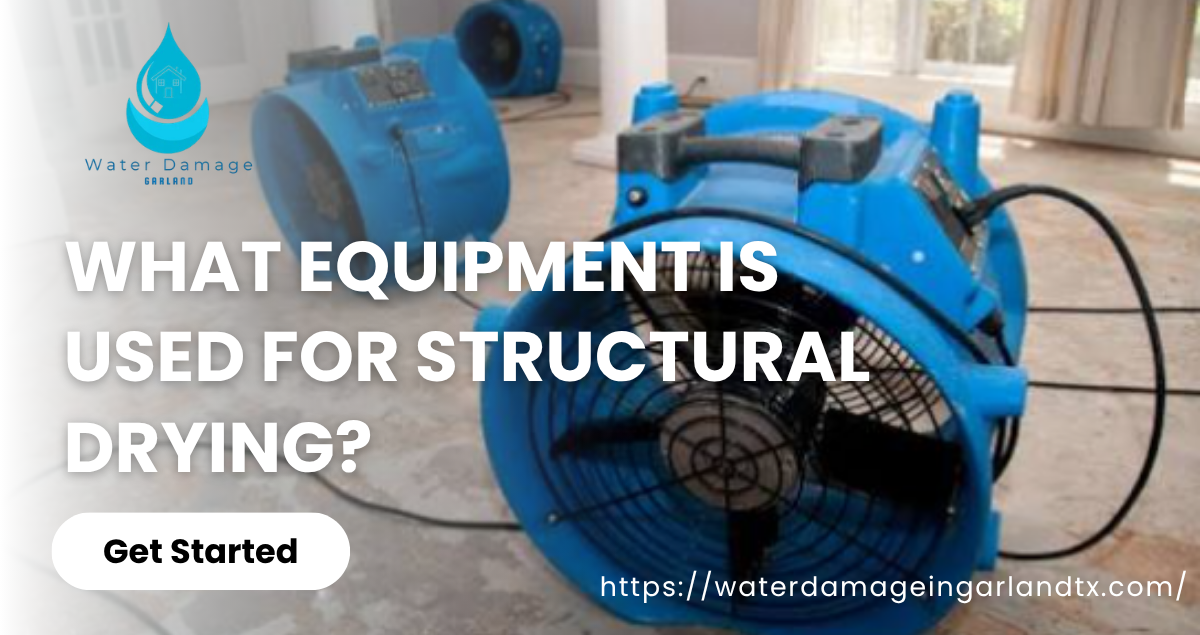
Air movers are one of the most important tools used during structural drying. These powerful machines create strong airflow across wet surfaces, helping moisture evaporate much faster than it would naturally.
Air movers are commonly placed around:
- Wet carpets
- Hardwood floors
- Drywall
- Baseboards
- Furniture
- Cabinets
The continuous airflow helps remove moisture from building materials and speeds up the drying process.
Commercial Dehumidifiers
As water evaporates, the moisture enters the air. If this humid air is not removed, it can slow down the drying process and even cause moisture to settle back onto walls and floors.
Commercial dehumidifiers remove excess moisture from the air and collect it in a container or drain it away.
These machines help:
- Speed up drying
- Reduce indoor humidity
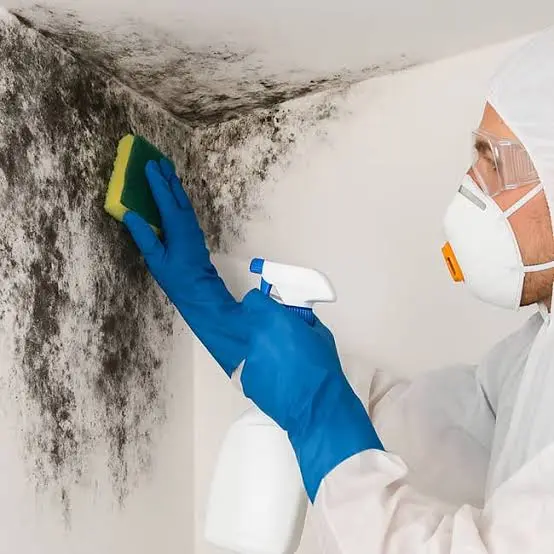
- Prevent mold growth
- Protect wood and drywall
- Improve indoor air quality
Professional dehumidifiers are much more powerful than the small units commonly used in homes.
Water Extraction Machines
Before structural drying begins, all standing water must be removed. Water extraction machines are designed to quickly remove large amounts of water from floors, carpets, and other surfaces.
These machines are especially useful after:
- Flooding
- Burst pipes
- Sewage backups
- Storm damage
- Appliance leaks
Removing water quickly helps reduce damage and allows the drying process to begin sooner.
Moisture Meters
Not all water damage can be seen with the naked eye. Walls, floors, and ceilings may look dry on the surface while moisture remains trapped inside.
Moisture meters are special tools that measure the amount of moisture inside building materials.
Restoration professionals use these devices to:
- Find hidden moisture
- Check the progress of drying
- Make sure materials are completely dry
- Prevent future mold growth
These readings help technicians know when the drying process is complete.
Thermal Imaging Cameras
Thermal imaging cameras help locate hidden moisture without damaging walls or ceilings.
These cameras detect temperature differences that may indicate wet areas behind surfaces.
They are commonly used to inspect:
- Interior walls
- Ceilings
- Floors
- Insulation
- Roof leaks
Thermal imaging allows professionals to identify hidden water damage quickly so it can be dried before it causes bigger problems.
Air Scrubbers
If water damage has caused mold growth or poor indoor air quality, restoration professionals may use air scrubbers.
Air scrubbers contain high quality filters that remove tiny particles from the air, including:
- Mold spores
- Dust
- Smoke particles
- Allergens
- Other airborne contaminants
This equipment helps create a cleaner and healthier indoor environment during the restoration process.
Drying Mats for Hardwood Floors
Hardwood floors can absorb water quickly, causing them to swell, warp, or buckle.
Drying mats are specially designed to remove moisture from wood floors without removing the flooring whenever possible.
These mats use controlled airflow to pull moisture out of the wood, helping save expensive hardwood flooring.
Wall and Cavity Drying Systems
Sometimes water becomes trapped inside wall cavities where it cannot dry naturally.
Wall drying systems use controlled airflow to remove moisture from inside walls without requiring unnecessary demolition.
This helps:
- Reduce repair costs
- Speed up drying
- Prevent mold growth inside walls
- Protect drywall whenever possible
HEPA Vacuums
HEPA vacuums are often used during the cleanup process, especially when mold, soot, or contaminated debris is present.
These vacuums use advanced filters that trap very small particles instead of releasing them back into the air.
They help improve indoor air quality while cleaning the affected property.
Why Professional Equipment Makes a Big Difference
Many homeowners try to dry their homes using household fans or portable dehumidifiers. While these may help with small spills, they are usually not strong enough for serious water damage.
Professional structural drying equipment offers several important benefits:
- Removes hidden moisture more effectively
- Dries the property faster
- Helps prevent mold growth
- Reduces the risk of structural damage
- Protects flooring, walls, and ceilings
- Lowers the chance of expensive future repairs
Using the right equipment also helps restoration professionals monitor the drying process and ensure your property is completely dry before repairs begin.
Professional Structural Drying in Garland TX
If your home or business has experienced water damage, using the right drying equipment is essential. Fast water extraction, professional drying, and moisture monitoring can help prevent further damage and restore your property safely.
We homeowners, landlords, property managers, and business owners to provide trusted local professionals who use advanced structural drying equipment for water extraction, flood damage cleanup, mold prevention, and complete water damage services in Garland TX.
Name: Water Damage in Garland Tx
Phone Number: (972)9612528
Address: 2501 W Kingsley Rd, Suite 120 Garland, TX 75041
United States
Frequently Asked Questions
Can household fans dry water damage?
Household fans may help with small spills, but they are not powerful enough for major water damage. Professional equipment removes hidden moisture much more effectively.
Why are moisture meters important?
Moisture meters help professionals find water that cannot be seen. They also confirm when walls, floors, and other materials are completely dry.
How long does structural drying usually take?
Most structural drying projects take between 3 and 5 days, depending on the amount of water damage and the materials affected.
Is professional drying equipment better than home equipment?
Yes. Commercial drying equipment is much more powerful and is designed specifically for water damage restoration. It dries buildings faster and helps prevent mold and structural damage.
When should structural drying equipment be used?
It should be used as soon as possible after water damage. Starting the drying process quickly helps reduce damage, lowers repair costs, and prevents mold from growing.