
A sewage backup is one of the most serious types of water damage. It can happen because of clogged sewer lines, heavy rain, broken pipes, or damaged drains. Sewage water contains harmful bacteria and other contaminants that can be dangerous to your health.
If you have a sewage backup in your home or business, it is important to act quickly. Taking the right steps can help protect your family, reduce property damage, and make the cleanup process easier.
Stay Away From the Affected Area
The first thing you should do is avoid contact with the sewage water. It may contain bacteria, viruses, and other harmful contaminants that can cause illness.
Keep children and pets away from the affected area until it has been cleaned and disinfected by professionals.
Turn Off Electricity if It Is Safe
If sewage water is near electrical outlets or appliances, turn off the electricity only if it is safe to do so. Never walk through standing water if there is a risk of electrical shock.
If you are unsure, wait for a qualified professional to handle it.
Stop Using Plumbing Fixtures
Do not flush toilets, run sinks, or use washing machines until the problem has been inspected. Using more water can make the backup worse and spread contaminated water throughout your property.
Contact a Professional Sewage Cleanup Service
Sewage cleanup is not a job that should be handled without the proper equipment and training. Professional cleanup teams have the tools needed to remove contaminated water, clean affected areas, and safely disinfect your property.
If you are dealing with a sewage backup in Garland TX, our network can connect you with trusted local professionals who provide fast sewage backup cleanup and water damage restoration services.
Remove Important Belongings if It Is Safe
If it is safe to enter the area, move valuable items, important documents, and furniture away from the contaminated water. This can help reduce damage while you wait for professional cleanup.
Avoid touching anything that has come into contact with sewage without wearing protective gloves.
Do Not Try to Clean It Yourself
Many people think they can clean sewage water with household cleaners, but this is not enough. Sewage water requires professional cleaning, sanitizing, and drying to make the area safe again.
Trying to clean it yourself may expose you to harmful bacteria and increase health risks.
Take Photos for Insurance
Before cleanup begins, take clear photos and videos of the damage if it is safe to do so. This documentation may help when filing an insurance claim.
Keep records of damaged furniture, flooring, walls, and personal belongings.
Dry the Property Quickly
After the contaminated water has been removed, the property should be dried completely. Professional structural drying helps remove hidden moisture from floors, walls, and other building materials.
Proper drying also helps reduce the risk of mold growth.
Watch for Mold Growth
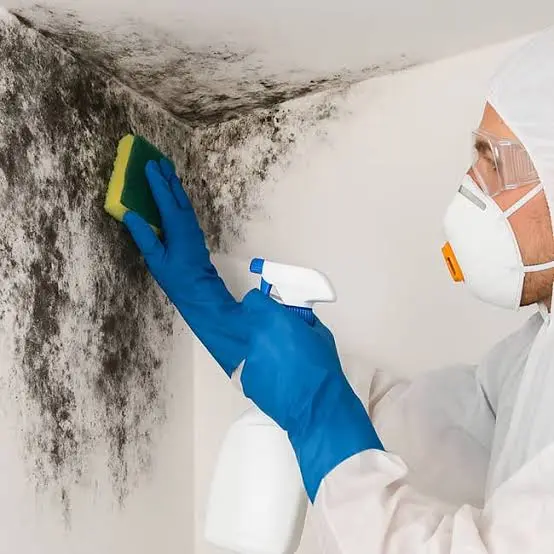
Moisture left behind after a sewage backup can lead to mold growth within a short time. If you notice musty odors or visible mold, contact a mold remediation professional as soon as possible.
Prevent Future Sewage Backups
While not every sewage backup can be prevented, regular maintenance can lower the risk.
Have your sewer lines inspected regularly.
Avoid flushing wipes, grease, and other materials that can clog pipes.
Repair damaged sewer lines as soon as problems are found.
Keep tree roots away from underground sewer pipes.
Final Thoughts
A sewage backup should never be ignored. Fast action helps protect your health, reduces property damage, and makes the cleanup process easier.
If you experience a sewage backup in Garland TX, our network connects homeowners, landlords, property managers, and business owners with trusted local professionals who provide emergency sewage backup cleanup, water extraction, structural drying, and complete water damage restoration services.
Frequently Asked Questions
Is a sewage backup considered an emergency?
Yes. Sewage water contains harmful bacteria and contaminants, so it should be cleaned by professionals as quickly as possible.
Can I stay in my home after a sewage backup?
It depends on the amount of damage. If large areas are affected or the air quality is unsafe, you may need to stay somewhere else until cleanup is complete.
How long does sewage cleanup take?
Small cleanup jobs may take one to two days, while larger restoration projects can take several days depending on the amount of damage.
Will homeowners insurance cover sewage backup damage?
Coverage depends on your insurance policy. Contact your insurance provider to understand what is included in your coverage.