Water damage does not end when the standing water is removed. Even if your floors look dry, moisture can still be trapped inside walls, ceilings, flooring, insulation, and wooden structures. If this hidden moisture is not removed, it can lead to mold growth, wood rot, and expensive repairs.
This is where structural drying becomes important.
In this guide, you will learn what structural drying is, how it works, and why it is an important part of the water damage restoration process.
What Is Structural Drying?
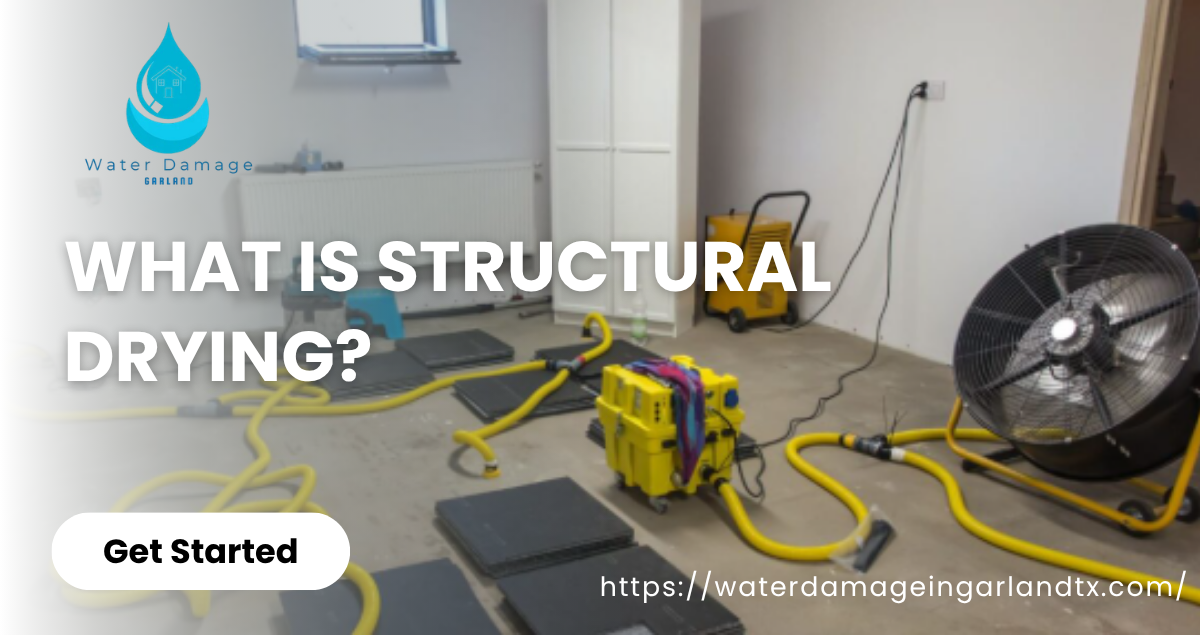
Structural drying is the process of removing moisture from the building materials inside your home after water damage.
After water extraction is complete, professional drying equipment is used to remove water that cannot be seen. This includes moisture inside drywall, wood, concrete, ceilings, floors, and other structural materials.
The goal is to completely dry the property before repairs begin.
Why Is Structural Drying Important?
Many homeowners think the job is finished once the standing water is removed. However, hidden moisture can continue causing damage long after the surface appears dry.
Proper structural drying helps:
- Prevent mold growth.
- Protect walls and flooring.
- Reduce the risk of wood rot.
- Prevent unpleasant odors.
- Reduce repair costs.
- Restore your home safely.
Without proper drying, moisture can remain inside your home for weeks.
When Is Structural Drying Needed?
Structural drying is recommended after any situation where water has soaked into building materials.
Common situations include:
- Burst pipes
- House flooding
- Roof leaks
- Sewage backups
- Storm damage
- Water heater leaks
- Washing machine overflows
- Dishwasher leaks
- Overflowing sinks or bathtubs
Even a small leak can leave hidden moisture behind.
What Areas Need Structural Drying?
Water does not stay on the surface. It travels into many parts of your home.
Structural drying may be needed for:
Walls
Drywall quickly absorbs water. Moisture trapped inside walls can weaken the material and create mold.
Ceilings
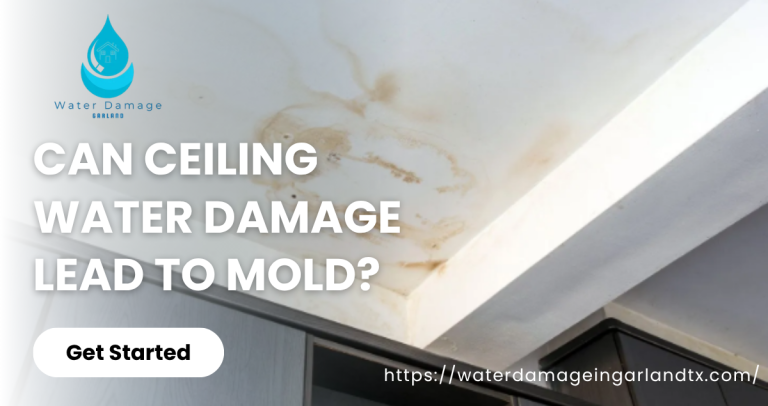
Water from roof leaks or burst pipes can soak into ceiling materials and cause sagging or stains.
Hardwood Floors
Wood flooring absorbs moisture and may swell, buckle, or warp if it is not dried properly.
Carpet and Padding
Even after water is removed from the carpet, the padding underneath can remain wet and may require professional drying.
Concrete Floors
Concrete may look dry on the surface, but it can hold moisture deep inside for a long time.
Crawl Spaces and Basements
These areas often stay damp longer because they have less airflow, making proper drying especially important.
How Does Structural Drying Work?
Professional structural drying follows several important steps.
Step 1: Water Extraction
The first step is removing all standing water using powerful extraction equipment.
Removing as much water as possible makes the drying process faster.
Step 2: Moisture Inspection
Professionals inspect your home to find hidden moisture.
Special moisture meters and thermal imaging equipment help locate water inside walls, floors, and ceilings.
Step 3: Drying Equipment
High powered air movers increase air circulation while commercial dehumidifiers remove moisture from the air.
This combination helps dry building materials much faster than household fans.
Step 4: Moisture Monitoring
During the drying process, professionals regularly check moisture levels.
Drying continues until all affected materials reach safe moisture levels.
Step 5: Final Inspection
Once everything is completely dry, the property is inspected to make sure no hidden moisture remains before repairs begin.
Why Household Fans Are Not Enough
Many homeowners believe a few fans will completely dry their home.
Unfortunately, household fans only dry the surface.
They cannot remove moisture trapped inside:
- Drywall
- Wood framing
- Flooring
- Insulation
- Concrete
Professional drying equipment is much more powerful and removes moisture much faster.
What Happens If Structural Drying Is Skipped?
Skipping structural drying can create several long term problems.
Mold Growth
Mold can begin growing within 24 to 48 hours after water damage if moisture remains.
Wood Rot
Wood framing, flooring, and cabinets can weaken as moisture stays trapped inside.
Bad Odors
Damp materials often develop musty smells that become stronger over time.
Structural Damage
Wet drywall and wooden supports may weaken and require replacement.
Higher Repair Costs
Small moisture problems often become much more expensive if they are ignored.
How Long Does Structural Drying Take?
The drying process depends on several factors, including:
- The amount of water.
- The size of the affected area.
- The type of building materials.
- Indoor temperature and humidity.
Most structural drying projects take three to five days, while larger water damage restoration jobs may require additional time.
Professionals monitor moisture levels throughout the process to make sure your home is completely dry before restoration is finished.
Signs Your Home May Still Have Hidden Moisture
Even if everything looks dry, hidden moisture may still be present.
Watch for these warning signs:
- Musty smells
- Peeling paint
- Water stains
- Soft drywall
- Warped flooring
- High indoor humidity
- Mold growth
- Damp spots on walls or ceilings
If you notice any of these signs, your home may need professional structural drying.
How Structural Drying Protects Your Home?
Proper structural drying offers many long term benefits.
It helps:
- Protect your home’s structure.
- Reduce the risk of mold.
- Prevent costly future repairs.
- Improve indoor air quality.
- Protect flooring and furniture.
- Speed up the restoration process.
- Give you peace of mind that hidden moisture has been removed.
When Should You Call a Professional?
You should contact a water damage restoration professional whenever water has soaked into your home’s structure.
Fast action can help save flooring, walls, ceilings, and other building materials before permanent damage occurs.
If you are dealing with water damage in TX, then we help homeowners, landlords, property managers, and business owners to provide trusted local professionals who provide emergency water extraction, structural drying, flood damage cleanup, mold remediation, and complete water damage restoration services.
Final Thoughts
Structural drying is one of the most important steps in the water damage restoration process. While standing water may be easy to see, hidden moisture can continue damaging your home long after the surface looks dry.
Professional structural drying removes moisture from walls, floors, ceilings, and other building materials, helping prevent mold, structural damage, and expensive repairs.
The sooner the drying process begins, the better your chances of protecting your home and reducing restoration costs.
Name: Water Damage in Garland Tx
Phone Number: (972)9612528
Address: 2501 W Kingsley Rd, Suite 120 Garland, TX 75041
United States
Frequently Asked Questions
What is structural drying?
Structural drying is the process of removing hidden moisture from walls, floors, ceilings, wood, concrete, and other building materials after water damage.
Is structural drying necessary after water damage?
Yes. Even after standing water is removed, moisture often remains inside building materials. Structural drying helps prevent mold growth and further damage.
How long does structural drying take?
Most structural drying projects take three to five days, depending on the amount of water and the size of the affected area.
Can I dry my home with regular fans?
Household fans may dry surface moisture, but they cannot remove hidden moisture inside walls, flooring, and other structural materials. Professional equipment is much more effective.
When should I call a structural drying professional?
You should contact a professional as soon as possible after flooding, burst pipes, roof leaks, sewage backups, or any other water damage event.