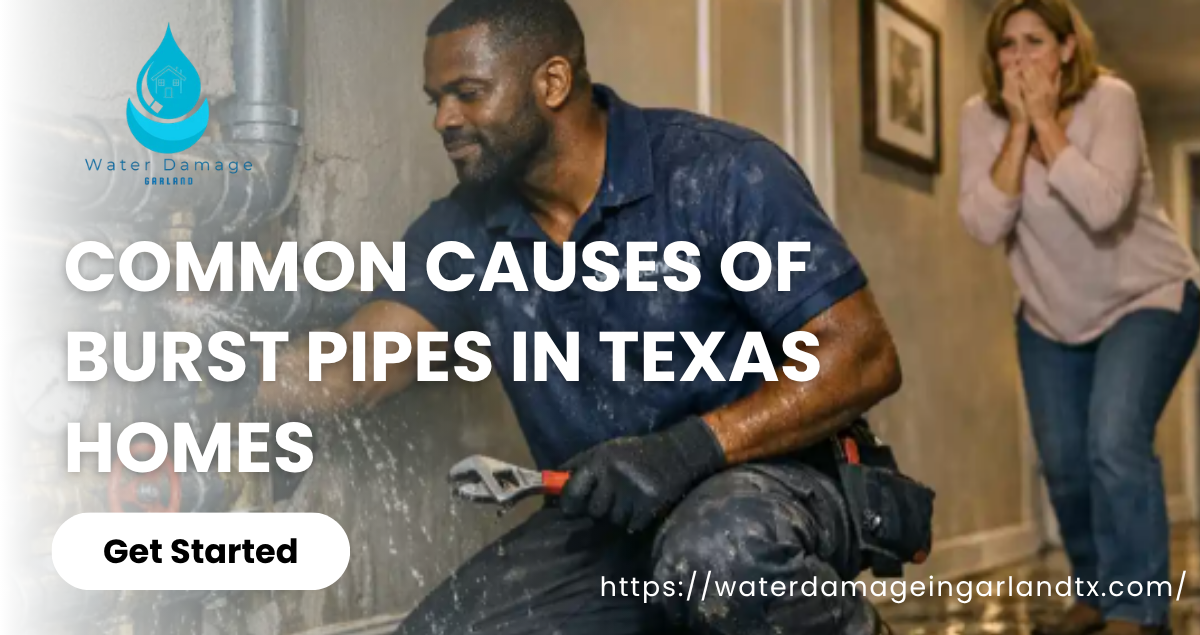
A burst pipe can happen without warning and cause serious water damage to your home. Water can quickly spread through walls, ceilings, floors, and furniture, leading to expensive repairs if the problem is not handled quickly.
While burst pipes can happen anywhere, Texas homeowners face several common causes because of changing weather, aging plumbing systems, and everyday wear and tear.
Understanding what causes pipes to burst can help you prevent water damage and protect your home.
Freezing Temperatures
Although Texas is known for warm weather, winter cold fronts can still bring freezing temperatures.
When water inside a pipe freezes, it expands and creates pressure. If the pressure becomes too high, the pipe can crack or burst. Once the ice melts, water begins flowing through the damaged pipe and can quickly flood your home.
To reduce this risk, insulate exposed pipes and keep your home warm during cold weather.
Old or Aging Pipes
Older homes often have plumbing systems that have been in place for many years.
Over time, pipes become weaker because of normal wear and tear. Rust, corrosion, and years of water pressure can make them more likely to crack or burst.
If your home has older plumbing, regular inspections can help identify weak pipes before they fail.
High Water Pressure
Many homeowners do not realize that high water pressure can damage their plumbing.
While strong water pressure may feel nice in the shower, too much pressure places constant stress on your pipes and plumbing connections.
Over time, this pressure can weaken pipes and increase the risk of a burst pipe.
A plumber can test your home’s water pressure and recommend adjustments if needed.
Corrosion Inside Pipes
Metal pipes naturally wear down over time.
As corrosion builds inside the pipes, the walls become thinner and weaker. Eventually, small leaks can develop, and if left untreated, the pipe may burst.
Regular plumbing inspections can help detect corrosion before major damage occurs.
Tree Root Damage
Tree roots naturally grow toward water sources.
If roots reach underground water lines, they can press against pipes or grow into small cracks. As the roots continue growing, they can damage or break the pipe.
Large trees located near underground plumbing increase the risk of this type of damage.
Clogged Pipes
A blockage inside a pipe does more than slow down the flow of water.
When water cannot move freely, pressure builds inside the plumbing system. If the pressure becomes too high, weak sections of the pipe may crack or burst.
Avoid pouring grease, oil, food waste, or other materials down your drains to help prevent clogs.
Poor Plumbing Installation
Not every plumbing system is installed correctly.
Poor workmanship, loose pipe connections, or low quality materials can increase the risk of leaks and burst pipes.
If your plumbing was not installed properly, problems may appear much sooner than expected.
Always use qualified plumbing professionals for repairs and new installations.
Shifting Soil and Foundation Movement
Texas soil expands and contracts as weather conditions change.
This movement can shift your home’s foundation and place stress on underground plumbing lines.
Over time, the movement may cause pipes to crack or separate, leading to water leaks or burst pipes.
Homes built on expansive clay soil may experience this problem more often.
Roof Leaks During Storms
Heavy rain and severe storms are common in many parts of Texas.
Water entering through a damaged roof can reach plumbing systems, ceilings, and walls. If pipes are already weak, the extra moisture and structural movement may increase the chance of pipe damage.
Keeping your roof in good condition helps protect your plumbing system.
Accidental Pipe Damage
Home improvement projects can sometimes damage hidden plumbing.
Drilling into walls, installing cabinets, or remodeling a bathroom without knowing where pipes are located can accidentally puncture a water line.
Always locate plumbing before starting renovation work.
Slab Leaks
Many Texas homes are built on concrete slab foundations.
If a water pipe located beneath the slab begins leaking, it can slowly weaken until it eventually bursts.
Signs of a slab leak include warm spots on the floor, unusually high water bills, damp flooring, or the sound of running water when no fixtures are being used.
Lack of Plumbing Maintenance
Small plumbing problems often become larger when they are ignored.
A minor leak, loose connection, or dripping pipe may not seem serious at first, but over time it can weaken the plumbing system and increase the risk of a burst pipe.
Regular maintenance helps catch small issues before they become expensive emergencies.
Signs a Pipe May Burst Soon
In many cases, your plumbing system gives warning signs before a pipe bursts.
Watch for these common signs:
- Low water pressure
- Rust colored water
- Water stains on walls or ceilings
- Damp spots on floors
- Unusual plumbing noises
- Higher than normal water bills
- Visible pipe corrosion
- Small leaks around pipe joints
If you notice any of these problems, have your plumbing inspected as soon as possible.
How to Prevent Burst Pipes?
Taking simple preventive steps can help protect your home from costly water damage.
You can reduce the risk by:
- Insulating exposed pipes.
- Repairing small leaks immediately.
- Replacing old plumbing when necessary.
- Keeping water pressure at a safe level.
- Scheduling regular plumbing inspections.
- Cleaning drains to prevent blockages.
- Checking your plumbing after severe weather.
Preventive maintenance is often much less expensive than repairing water damage after a burst pipe.
What to Do If a Pipe Bursts?
If a pipe bursts in your home:
- Turn off the main water supply immediately.
- Shut off electricity if water is near electrical outlets.
- Move valuable belongings away from the water if it is safe.
- Take photos of the damage for your insurance claim.
- Contact a professional water damage restoration service as soon as possible.
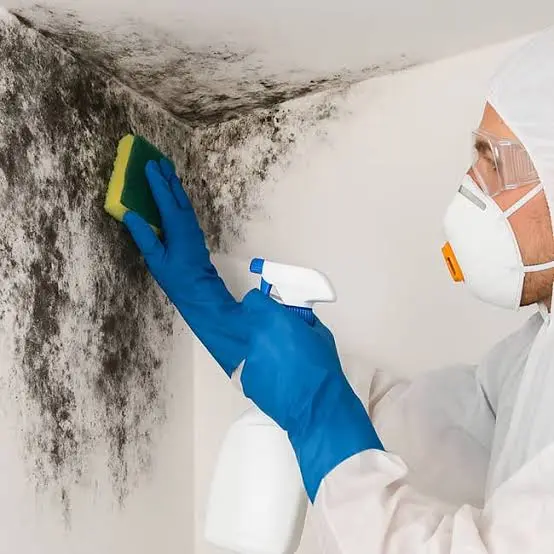
Quick action helps reduce damage and prevents mold growth.
Final Thoughts
Burst pipes are one of the most common causes of water damage in Texas homes. Whether the problem is caused by freezing temperatures, aging pipes, high water pressure, or plumbing issues, acting quickly can help protect your property and reduce repair costs.
If you experience a burst pipe in Garland TX, our network connects homeowners, landlords, property managers, and business owners with trusted local professionals who provide emergency water extraction, burst pipe water damage cleanup, structural drying, mold remediation, and complete water damage restoration services in Texas.
Name: Water Damage in Garland Tx
Phone Number: (972)9612528
Address: 2501 W Kingsley Rd, Suite 120 Garland, TX 75041
United States
Frequently Asked Questions
What is the most common cause of burst pipes in Texas?
Aging pipes, high water pressure, freezing temperatures, and corrosion are some of the most common causes of burst pipes in Texas homes.
Can old pipes burst without warning?
Yes. Older pipes can weaken over time and may suddenly crack or burst if they are not inspected or replaced.
Does homeowners insurance cover burst pipe damage?
Many homeowners insurance policies cover sudden and accidental burst pipe damage. Check your policy or speak with your insurance provider for specific coverage details.
How can I prevent a burst pipe?
Regular plumbing inspections, repairing leaks, insulating exposed pipes, and maintaining proper water pressure can help reduce the risk.
When should I call a water damage restoration company?
You should contact a professional immediately if a burst pipe causes flooding, standing water, soaked walls, or damage to flooring and furniture.